

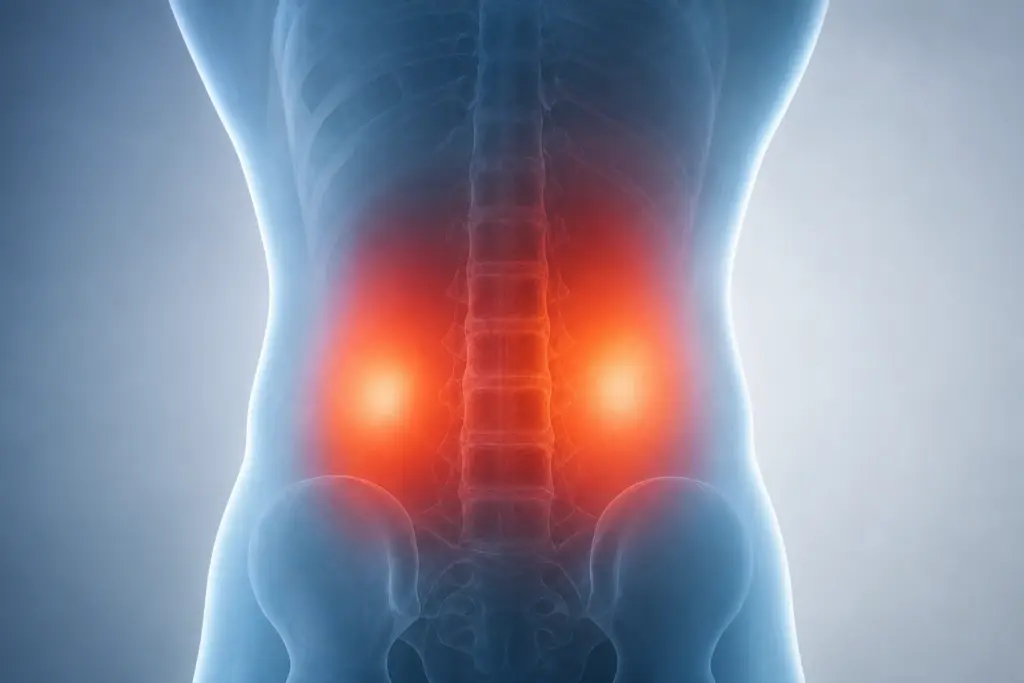
Kidney stone pain (renal colic)
Kidney stone pain, also known as renal colic, is a characteristic type of severe pain caused when a stone moves through the urinary tract. It is often described as one of the most intense types of pain experienced and can come on suddenly. Although the pain can be extremely distressing, kidney stones are very treatable, and modern minimally invasive treatments allow most stones to be managed effectively.
Mr Gidon Ellis is a Consultant Urological Surgeon specialising in endourology and the management of kidney and ureteric stones. He provides assessment and treatment for patients with kidney stones, including minimally invasive procedures such as ureteroscopy, ESWL and PCNL.
What does kidney stone pain feel like?
Kidney stone pain usually occurs when a stone moves from the kidney into the ureter, the narrow tube that carries urine from the kidney to the bladder. The ureter has a muscular wall that contracts to try to move the stone forwards. These contractions, combined with stretching of the urinary tract above the blockage, cause the characteristic pain of renal colic.
- Typical features include:
- Sudden onset of severe pain
- Pain felt in the side or back (flank)
- Pain that comes in waves or spasms
- Pain that may radiate towards the lower abdomen, groin or testicle
- Restlessness and difficulty finding a comfortable position
- Nausea or vomiting
Unlike some other causes of abdominal pain, people with renal colic often cannot keep still because changing position does not significantly relieve the discomfort.
What causes kidney stone pain?
Kidney stones form when minerals in urine become concentrated and crystallise into solid deposits. A stone sitting quietly within the kidney may cause no symptoms. Pain usually occurs when the stone moves into the ureter and blocks the normal flow of urine.
- The severity of symptoms depends on factors including:
- The size of the stone
- The location of the stone
- Whether it is blocking urine drainage
- Whether there is associated infection
Other symptoms associated with kidney stones
- Although pain is the most recognised symptom, kidney stones can also cause:
- Blood in the urine (visible or microscopic)
- Nausea and vomiting
- Urinary urgency or frequency, particularly when the stone is close to the bladder
- Discomfort when passing urine
- Fever or feeling unwell if infection is present
When should I seek medical advice?
- Medical assessment is recommended if you have severe, unexplained flank or abdominal pain, particularly if kidney stone pain is suspected. You should seek urgent medical advice if you experience:
- Fever, chills or feeling generally unwell
- Severe pain that is not controlled with pain medication
- Persistent vomiting and inability to keep fluids down
- Difficulty passing urine
- A known kidney stone with worsening symptoms
A blocked kidney with infection can be a serious condition requiring urgent drainage.
How are kidney stones investigated?
Assessment usually begins with a clinical review and imaging to confirm whether a stone is present. Investigations may include:
Urine testing
- This can identify:
- Blood in the urine
- Signs of infection
- Other abnormalities
Blood tests
- This can identify:
- Kidney function
- Signs of infection
- Factors that may contribute to stone formation
CT scan (CT KUB)
- A low-dose CT scan of the kidneys, ureters and bladder is the most accurate test for diagnosing kidney stones in many situations. It can determine:
- The size of the stone
- The exact location
- Whether the kidney is obstructed
- The likelihood of the stone passing naturally
How are kidney stones treated?
Treatment depends on the size, location and characteristics of the stone, as well as your symptoms and overall health.
Observation and medical treatment
- Small stones may pass naturally without surgery. Treatment may include:
- Pain relief medication
- Anti-sickness medication if needed
- Medication to help relax the ureter and encourage the stone to pass (medical expulsive therapy)
- Advice on fluid intake
- Interval imaging to confirm the stone has passed
Frequently asked questions
What are the typical symptoms of pains in the back or loin?
Common symptoms include sharp pain in the side or back, possibly radiating towards the groin, and may be accompanied by nausea, vomiting, and changes in urination.
How quickly can I be seen?
Appointments are arranged as quickly as possible, with urgent symptoms prioritised.
Do you accept my insurance?
Yes, we work with all major UK insurers. Please bring your policy and authorisation number to your appointment.
Will I see a consultant?
Yes, you will be seen directly by Mr Gidon Ellis at every appointment, ensuring personalised care.
Do I need a GP referral?
No, for a private consultation, self-referral is welcome. We can liaise with your GP afterwards if needed.
Where will I be seen?
Appointments can be made at Welbeck London, The Wellington Hospital, or Royal Free London, depending on your preference.
How should I prepare?
If your pain is sudden and severe, please do not wait for a routine appointment. Call us ahead to arrange urgent same-day imaging.