

Understanding an enlarged prostate and your treatment options
Mr Gidon Ellis is a Consultant Urological Surgeon in London specialising in the diagnosis and treatment of enlarged prostate (benign prostatic hyperplasia, or BPH). He offers comprehensive assessment and the full range of medical and surgical treatments, including HoLEP, Aquablation and TURP, helping men find the most appropriate treatment for their symptoms and lifestyle.
An enlarged prostate is one of the most common causes of urinary symptoms in men as they get older. Although it can significantly affect quality of life, effective treatments are available, and most men experience substantial improvement with the right management.
What is an enlarged prostate?
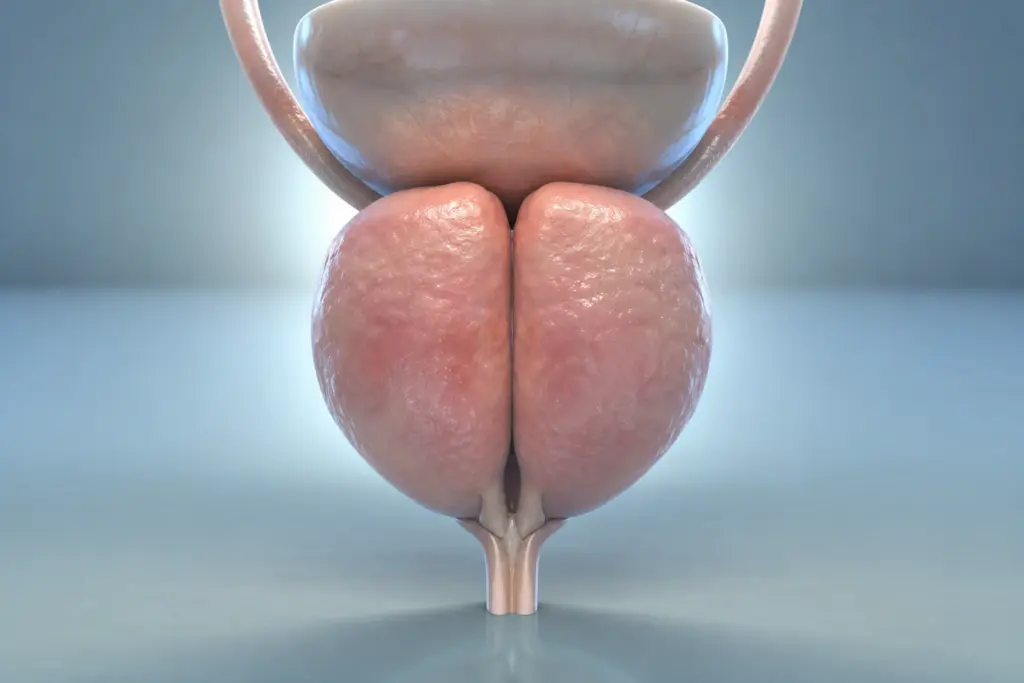
The prostate is a small gland located beneath the bladder and surrounding the urethra (the tube that carries urine out of the body). As men age, the prostate commonly becomes larger. This is known as benign prostatic hyperplasia (BPH) or benign enlargement of the prostate. “Benign” means that it is not cancer.
As the prostate enlarges, it can narrow the urethra and make it more difficult for urine to flow freely from the bladder. This may lead to a range of urinary symptoms, which often develop gradually over time.
Around half of men over the age of 50 have some degree of prostate enlargement, with the condition becoming increasingly common with advancing age. However, not every enlarged prostate causes symptoms or requires treatment.
What symptoms can an enlarged prostate cause?
Symptoms vary from person to person and may develop slowly over several years. Common symptoms include:
- A weak or slow urinary stream
- Difficulty starting urination
- Straining to pass urine
- Stopping and starting during urination
- A feeling that the bladder has not emptied completely
- Dribbling after finishing urination
- Passing urine more frequently
- A sudden urge to pass urine (urgency)
- Getting up during the night to pass urine (nocturia)
In more severe cases, an enlarged prostate can lead to urinary retention (being unable to pass urine), recurrent urinary infections, bladder stones or kidney problems.
What causes an enlarged prostate?
The exact cause of benign prostate enlargement is not fully understood, but it is closely linked to the normal ageing process and hormonal changes that occur in men. Several factors increase the likelihood of developing BPH, including:
- Increasing age
- A family history of prostate enlargement
- Obesity and metabolic syndrome
- Certain long-term health conditions
Having an enlarged prostate does not increase your risk of developing prostate cancer, although the two conditions can occur together. For this reason, appropriate assessment is important.
When should I seek medical advice?
You should arrange an assessment if urinary symptoms are affecting your quality of life or becoming progressively worse.
You should seek urgent medical attention if you:
- Are unable to pass urine
- Develop fever or severe pain with urinary symptoms
- Notice blood in the urine that persists or recurs
- Develop severe pain in the lower abdomen associated with urinary retention
How is an enlarged prostate diagnosed?
The first step is understanding your symptoms and how they affect your daily life. During your consultation, Mr Ellis will discuss your urinary symptoms, medical history and current medications before carrying out an examination where appropriate.
Investigations may include:
- Urine testing to exclude infection or blood
- A urine flow test (uroflowmetry)
- Measurement of the urine left in the bladder after voiding (post-void residual scan)
- PSA blood test where appropriate
- Ultrasound or MRI scans in selected cases
- Flexible cystoscopy or urodynamic studies if further assessment is required
Many of these investigations can be performed during your initial visit, allowing a diagnosis and management plan to be discussed at the same appointment wherever possible.
How is an enlarged prostate diagnosed?
How is an enlarged prostate treated?
Lifestyle measures
For mild symptoms, simple changes such as adjusting fluid intake, reducing caffeine and alcohol, and timed voiding can provide meaningful improvement.
Medication
Tablets are often an effective first-line treatment and work in two main ways: relaxing the muscle within the prostate and bladder neck to improve flow, or gradually shrinking the prostate to reduce obstruction over time. Many men are managed successfully with medication alone.
Minimally invasive and surgical treatment
When medication is not effective, is not tolerated, or symptoms are more severe, a number of procedures can remove or reduce obstructing prostate tissue, regardless of prostate size:
- HoLEP (Holmium Laser Enucleation of the Prostate) – a laser technique that removes the obstructing prostate tissue, suitable for prostates of any size, with a low rate of symptoms returning
- Aquablation – a robotically assisted, image-guided technique using a targeted water jet to remove obstructing tissue with precision
- TURP (Transurethral Resection of the Prostate) – a well-established surgical technique that removes prostate tissue through the urethra
Minimally invasive treatments such as HoLEP typically offer effective, durable relief with a shorter recovery than traditional open surgery, and many patients go home the same day or within 24 hours.
Wherever possible, the least invasive option likely to provide long-term relief is recommended, with every step of the diagnostic and treatment pathway explained clearly so you can make an informed decision about your care.
Frequently asked questions
What is an Enlarged Prostate?
An enlarged prostate is a common condition where the prostate gland grows in size, leading to urinary issues. It is typically non-cancerous.
What Are the Symptoms?
Symptoms include a weak urinary stream, frequent urination, and a feeling of incomplete bladder emptying.