

Understanding overactive bladder symptoms and treatment options
Mr Gidon Ellis is a Consultant Urological Surgeon in London specialising in the assessment and treatment of male lower urinary tract symptoms (LUTS), including overactive bladder. He provides comprehensive evaluation to identify the cause of urinary symptoms and offers a full range of evidence-based treatments, from bladder training and medication through to specialist therapies.
Overactive bladder is a common condition that can significantly affect quality of life. It may cause a sudden urge to pass urine, frequent trips to the toilet, waking during the night and, in some cases, leakage of urine. Although these symptoms can be disruptive, effective treatments are available.
What is an overactive bladder?
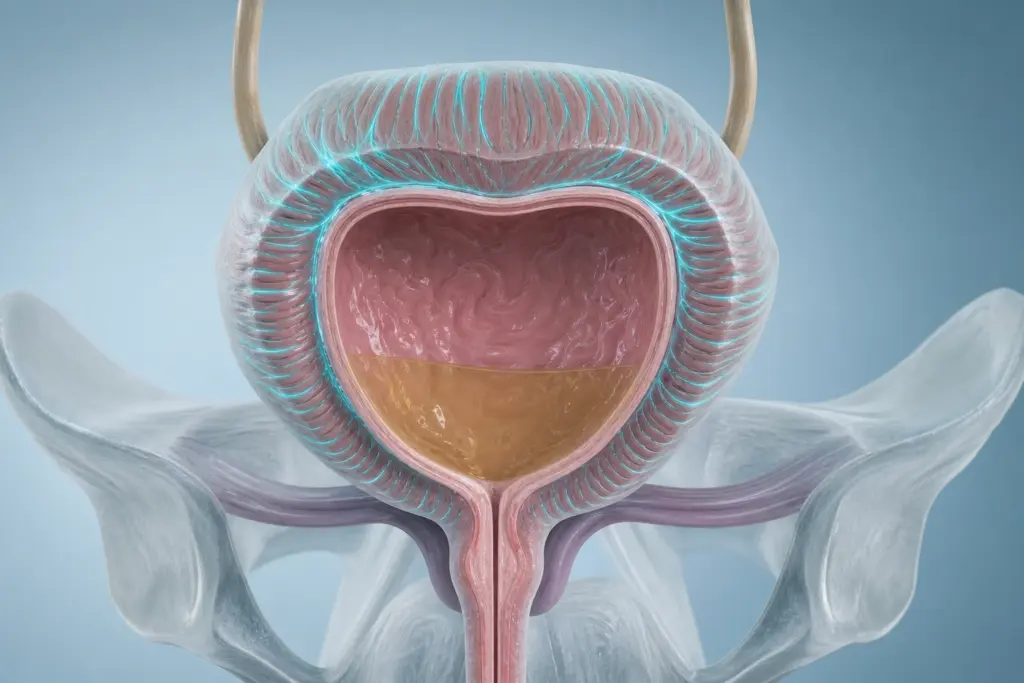
Overactive bladder (OAB) is a condition where the bladder muscle becomes overactive during the filling phase, causing an urgent need to pass urine even when the bladder is not completely full. The bladder normally stores urine at low pressure until it is convenient to empty. In overactive bladder, involuntary contractions of the bladder muscle can occur during filling, creating a sudden and sometimes difficult-to-control urge to urinate.
Overactive bladder is a diagnosis based on symptoms. Similar symptoms can occur with other conditions, such as urinary tract infections, bladder stones, enlarged prostate or bladder outlet obstruction, so an appropriate assessment is important.
What symptoms does overactive bladder cause?
Common symptoms include:
- A sudden, difficult-to-control urge to pass urine (urgency)
- Passing urine frequently during the day
- Waking during the night to pass urine (nocturia)
- Urge urinary incontinence (leaking urine before reaching the toilet)
- A feeling of needing to plan activities around toilet access
Some men experience urgency and frequency without leakage, while others may have episodes of urinary incontinence.
What causes overactive bladder?
The exact cause of overactive bladder is not always clear. It may develop due to changes in bladder function, ageing or other conditions affecting the urinary tract.
Possible contributing factors include:
Changes in bladder muscle activity
The bladder muscle may become more sensitive or contract involuntarily during filling, creating urgency and frequency.
Age-related changes
Overactive bladder becomes more common with increasing age, although it is not an inevitable part of ageing.
Bladder irritation
Symptoms may be triggered or worsened by:
- Caffeine
- Alcohol
- Fizzy drinks
- Constipation
- Certain medications
Other urinary conditions
Similar symptoms may occur due to:
- Enlarged prostate (benign prostatic hyperplasia)
- Bladder outlet obstruction
- Urinary tract infection
- Bladder stones
Neurological conditions
Conditions affecting the nerves controlling the bladder can sometimes contribute to overactive bladder symptoms.
When should I seek medical advice?
You should arrange an assessment if:
- Urgency or frequency is affecting your daily activities
- You are regularly waking during the night to pass urine
- You are avoiding activities because of concerns about finding a toilet
- You experience leakage associated with urgency
You should seek more urgent medical advice if symptoms are accompanied by:
- Visible blood in the urine
- Fever or feeling unwell
- Severe pain
- Sudden inability to pass urine
How is overactive bladder diagnosed?
The first step is understanding the pattern of symptoms and identifying whether they are caused by overactive bladder or another condition.
During your consultation, Mr Ellis will discuss:
- How often you pass urine
- Whether urgency is present
- Whether symptoms occur during the day or night
- Any episodes of urinary leakage
- Your fluid intake and lifestyle factors
- Any previous urinary problems or treatments
Investigations may include:
- Urine testing to exclude infection or blood
- A bladder diary recording fluid intake and toilet visits
- Uroflowmetry (urine flow test)
- Bladder scan to assess bladder emptying
- Prostate assessment where appropriate
- Flexible cystoscopy or video urodynamics in selected patients
A bladder diary is particularly useful because it helps distinguish between bladder overactivity and other causes of urinary frequency, such as producing excessive urine overnight.
How is overactive bladder treated?
Treatment is tailored to the individual and usually progresses from the least invasive options.
Lifestyle changes and bladder training
Many men benefit from:
- Adjusting fluid intake
- Reducing caffeine and alcohol
- Bladder training techniques
- Managing constipation
- Pelvic floor muscle exercises
Medication
Several medications can improve overactive bladder symptoms by reducing involuntary bladder contractions. Treatment choice depends on individual circumstances, including other medical conditions and potential side effects.
Percutaneous tibial nerve stimulation (PTNS)
PTNS is a minimally invasive treatment that uses gentle electrical stimulation of a nerve near the ankle to influence bladder function. It is usually delivered as a course of outpatient treatments and may be considered for selected patients whose symptoms have not improved sufficiently with lifestyle measures or medication.
Botulinum toxin (Botox) injections
In selected patients, injections of botulinum toxin into the bladder muscle can reduce involuntary contractions and improve urgency symptoms. This treatment requires specialist assessment and monitoring.
Why choose Mr Ellis?
Overactive bladder symptoms can have several possible causes, and successful treatment depends on making the correct diagnosis. Mr Ellis takes a comprehensive approach to male urinary symptoms, assessing bladder function alongside prostate and urethral causes. This ensures that treatment is directed at the underlying problem rather than simply treating symptoms.
Patients benefit from access to detailed assessment, modern treatment options and personalised advice based on their individual circumstances.
Frequently asked questions
Is overactive bladder the same as an enlarged prostate?
No. They are different conditions, although they can occur together. An enlarged prostate mainly causes obstruction to urine flow, while overactive bladder relates to abnormal bladder storage symptoms such as urgency and frequency.
Can men get overactive bladder?
Yes. Although often associated with women, overactive bladder is common in men and may occur with or without prostate enlargement.
Will I need a bladder test?
Not always. Many men can be diagnosed after a careful history, examination and basic investigations. More advanced tests, such as video urodynamics, are reserved for selected cases where the diagnosis is unclear or symptoms are complex.
Can overactive bladder be cured?
Many men achieve significant improvement with the right combination of lifestyle changes, medication and specialist treatments. The best approach depends on the underlying cause and individual circumstances.
Does drinking less help overactive bladder?
Reducing excessive fluid intake can help, but drinking too little may make symptoms worse by concentrating urine and irritating the bladder. The aim is usually to optimise fluid habits rather than simply drink less.
Arrange a consultation
If you are experiencing urinary urgency, frequent urination or waking repeatedly at night to pass urine, Mr Gidon Ellis offers specialist assessment and treatment in London. A consultation provides an opportunity to identify the cause of your symptoms and develop a personalised plan to improve bladder function and quality of life.