

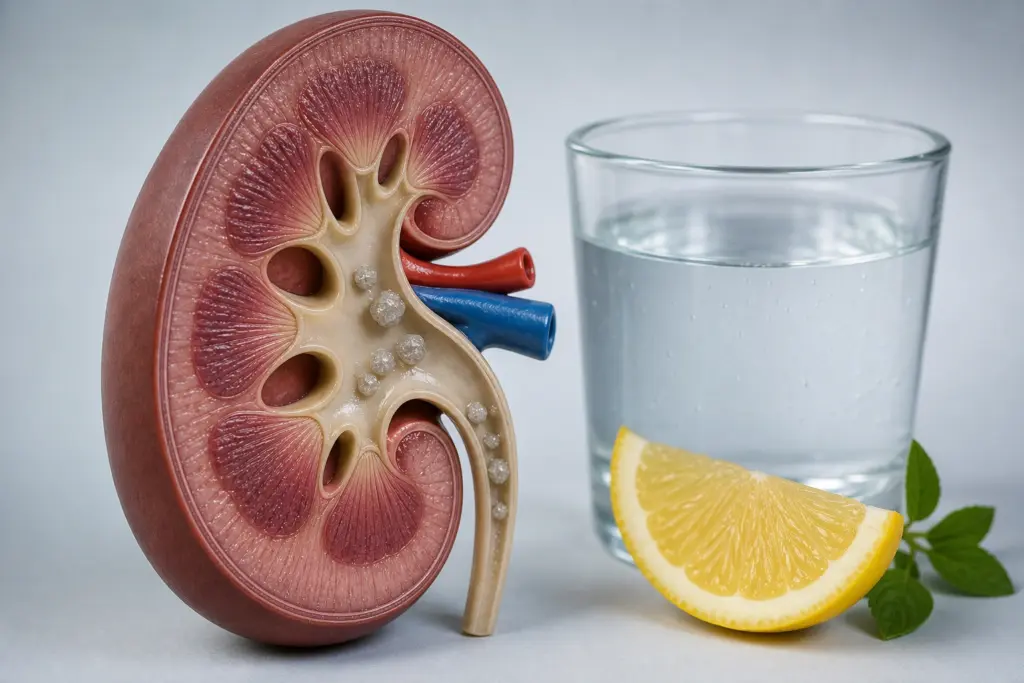
Recurrent kidney stones are stones that form repeatedly over time. While removing an existing stone is often the immediate priority, understanding why stones develop is an important part of long-term care.
Some people will form a single kidney stone during their lifetime, while others are prone to repeated stone formation. Without assessment and preventative measures, recurrent stones can lead to repeated episodes of pain, hospital visits and procedures.
Mr Gidon Ellis is a Consultant Urological Surgeon specialising in endourology and kidney stone management. He provides assessment and treatment for patients with recurrent stones, focusing not only on effective stone clearance but also on reducing the risk of future episodes. Where more detailed metabolic assessment is required, Mr Ellis works closely with specialist colleagues with expertise in the prevention and medical management of recurrent stone disease.
Why do some people keep getting kidney stones?
Kidney stones form when minerals in urine become concentrated and crystallise. For some people, this happens because of lifestyle factors such as low fluid intake or dietary factors. In others, there may be underlying metabolic or medical reasons that increase stone risk.
Factors associated with recurrent kidney stones include:
- Previous history of kidney stones
- Family history of stone disease
- Low urine volume
- High levels of calcium, oxalate or uric acid in urine
- Low levels of protective substances such as citrate
- Certain dietary patterns
- Medical conditions affecting metabolism
Why is prevention important?
Once someone has formed a kidney stone, they may be at increased risk of developing another.
Preventative assessment is particularly important if you have:
- Recurrent kidney stones
- Stones affecting both kidneys
- A strong family history
- Stones at a young age
- Large or complex stones
- Abnormal stone composition
The aim is not only to prevent another painful episode, but also to reduce the likelihood of future procedures and protect long-term kidney health.
How are recurrent kidney stones assessed?
The most useful prevention strategy depends on understanding why the stone formed.
Assessment may include:
Stone analysis
If a stone has been passed or removed, analysing its composition provides important information.
Common stone types include:
- Calcium oxalate
- Calcium phosphate
- Uric acid
- Infection-related stones
- Cystine stones
The type of stone can influence the most appropriate preventative measures.
Blood tests
Blood tests may assess factors that can contribute to stone formation, including:
- Kidney function
- Calcium levels
- Uric acid levels
- Parathyroid hormone levels where appropriate
24-hour urine collection
A 24-hour urine collection provides detailed information about the urine environment in which stones form.
It can measure factors including:
- Total urine volume
- Calcium levels
- Oxalate levels
- Citrate levels
- Uric acid levels
- Urine acidity (pH)
This allows prevention advice to be personalised rather than relying on general recommendations alone.
A multidisciplinary approach to stone prevention
Preventing recurrent kidney stones often involves understanding why stones formed in the first place. Many patients benefit from simple measures such as improving fluid intake and making targeted dietary changes. However, some patients have additional risk factors that require more detailed assessment.
Mr Ellis works closely with specialist colleagues with expertise in the metabolic and medical aspects of stone disease when required. This collaborative approach allows patients to receive comprehensive care, combining expertise in stone diagnosis and treatment with personalised strategies to reduce the risk of future stones.
How can kidney stones be prevented?
Prevention depends on the individual cause, but several measures are helpful for most patients.
Increase fluid intake
Maintaining a high urine volume is one of the most important ways to reduce stone risk. Most patients are advised to drink enough fluid to produce a good volume of pale urine throughout the day.
Dietary measures
Dietary advice depends on the type of stone and metabolic findings.
General measures may include:
Reducing salt intake
High salt intake can increase calcium loss into the urine and promote calcium-based stones.
Maintaining normal calcium intake
Many patients mistakenly believe they should avoid calcium. In fact, normal dietary calcium intake is usually recommended because it can help reduce absorption of oxalate from the gut.
Moderating excess animal protein
High intake of animal protein may increase the risk of certain stones, particularly uric acid stones.
Tailoring oxalate intake
Patients with calcium oxalate stones and high urinary oxalate may benefit from specific dietary advice.
Are medications ever needed to prevent kidney stones?
In selected patients, medication may reduce the risk of recurrent stones. The choice depends on the underlying abnormality identified.
Examples may include treatments that:
- Reduce urinary calcium levels
- Increase urinary citrate
- Alter urine chemistry
- Treat underlying metabolic conditions
Medication is usually considered alongside lifestyle and dietary measures rather than replacing them.
Can all kidney stones be prevented?
Unfortunately, not every kidney stone can be prevented. However, identifying the factors that contributed to stone formation allows many patients to significantly reduce their risk of recurrence. The most effective prevention strategy is personalised rather than a one-size-fits-all approach.
When should I consider a stone prevention assessment?
A specialist prevention assessment may be appropriate if you:
- Have had more than one kidney stone
- Have required repeated stone procedures
- Have stones despite good fluid intake
- Have a family history of stone disease
- Want to understand why stones are forming
Keep kidney stones from coming back
If you have experienced repeated kidney stones, understanding why they formed is the first step towards preventing future episodes. A specialist assessment can help identify your individual risk factors and create a personalised prevention plan.